Salem, OR
 (503) 588-0061

Dental Sealants
Enhance Your Dental Protection with King Dental
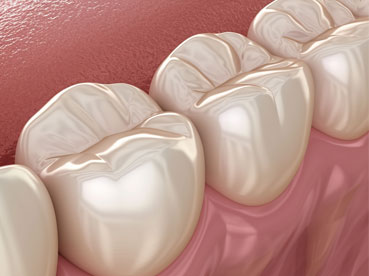 Dr. Wendell King and his team at King Dental specialize in offering dental sealant services. Dental sealants act as an impenetrable barrier, shielding your teeth from food particles and preventing bacterial contact, especially in the fissures and crevices of your back teeth.
Why Opt for Dental Sealants?
Navigating the intricate nooks and crannies of teeth can be challenging, particularly for children. Despite diligent brushing, harmful debris can still lurk in these hard-to-reach areas, leading to decay. Dr. King employs high-quality dental sealants to form a protective shield over your teeth, significantly mitigating the risk of dental issues.
Hassle-Free Application
Experience a swift and painless procedure as the dental sealants are meticulously applied with a small, soft brush. This liquid sealant dries hard, providing robust protection without any discomfort or need for medication or anesthesia.
Who Should Consider Dental Sealants?
- Children: We strongly advocate for our young patients to receive dental sealants to robustly combat the onset of cavities, fostering a cavity-free journey to adulthood.
- Adults with Decay Issues: Adult patients grappling with decay can also massively benefit from the enhanced protection provided by dental sealants, ensuring the maintenance of a healthy and vibrant smile.